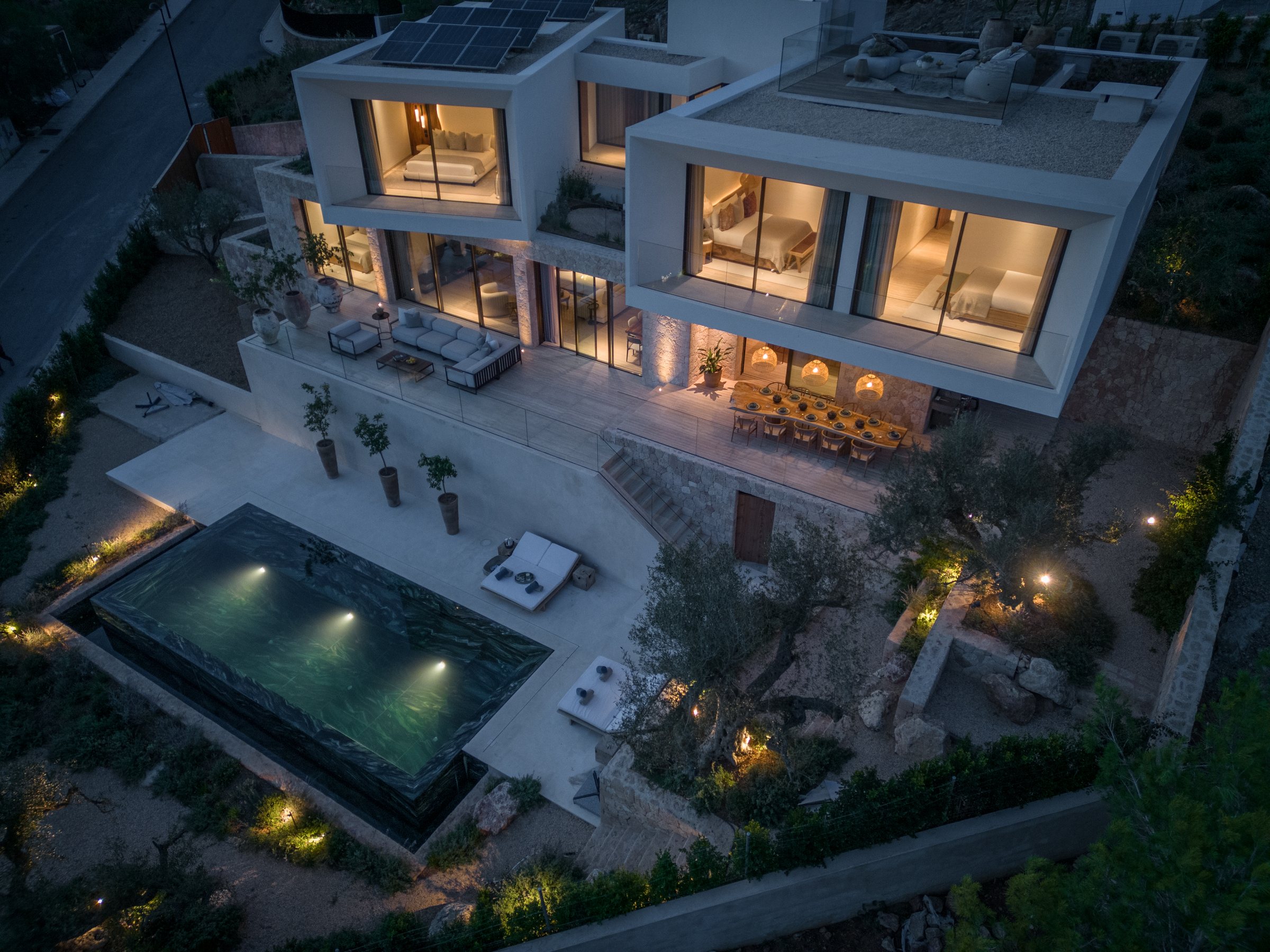
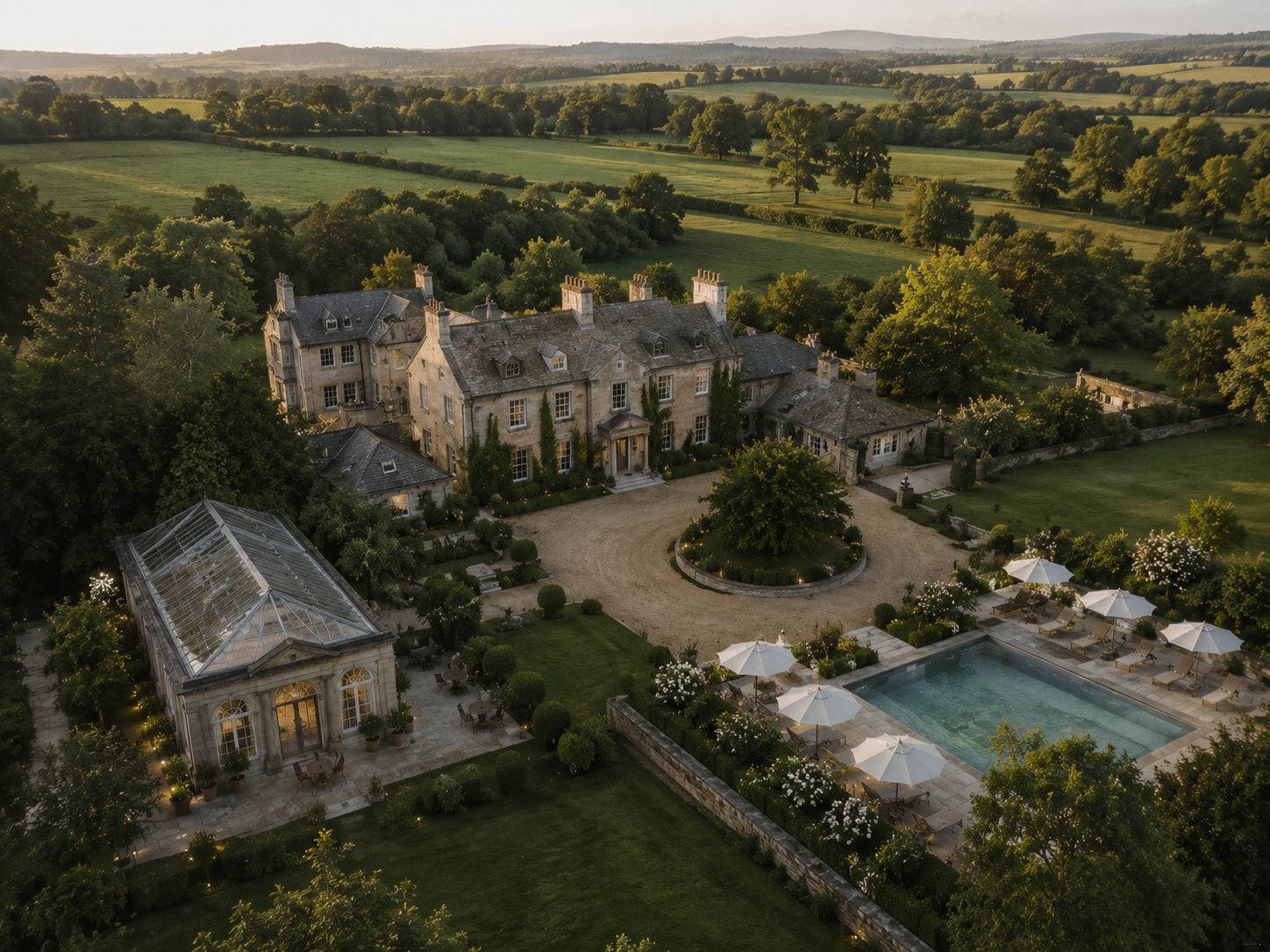
A clear idea is more useful than a theme
The identity of a boutique hotel should be easy to feel and difficult to reduce to a slogan. It might begin with the building’s history, the landscape beyond a window, a local material or the kind of welcome the operator wants to create.
That idea provides a filter for decisions. It helps a lobby, bedroom and restaurant belong to the same place without making them repetitions of one another.
Memory is built through sequence
Arrival matters, but so do the quieter transitions that follow. The change in light between reception and a corridor, the first view from a guest room and the route to breakfast all affect how the property is understood.
Good hospitality design gives these moments a rhythm. Busy areas feel generous. Private spaces become calmer. Guests rarely need to think about where to go next.
Comfort should support character
Distinctive design cannot come at the expense of sleep, acoustics, storage or intuitive lighting. Those fundamentals are the reason a guest chooses to return rather than simply admire a photograph.
The commercial value of character lies here. A memorable property attracts attention, but a well-resolved one earns recommendations and repeat stays.